
How Poor Sleep Destroys Male Hormone Health
The Sleep-Testosterone Connection — And a Practical Recovery Plan
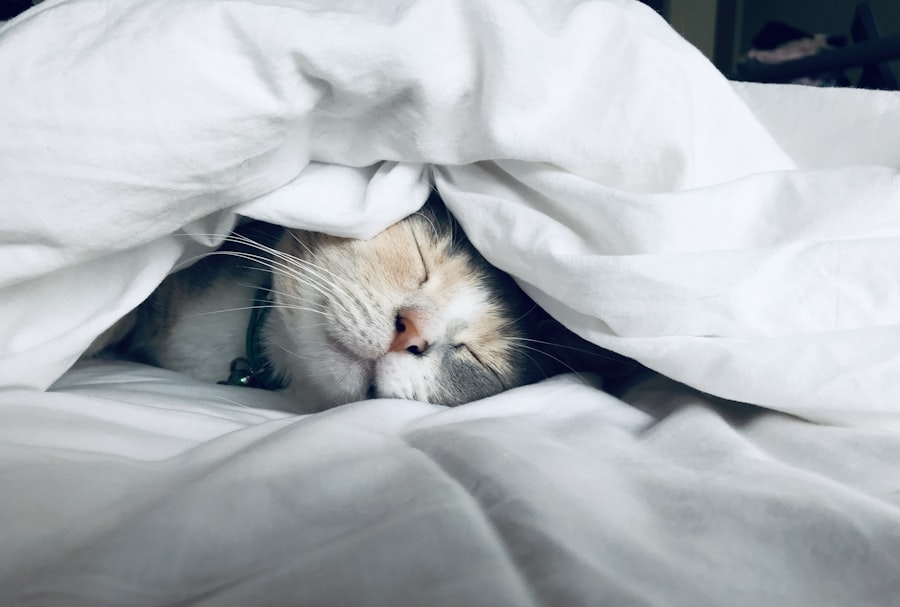
Research published in the Journal of the American Medical Association found that one week of sleep restriction — just five hours per night — reduced daytime testosterone levels in healthy young men by 10–15%. Over months or years, disrupted sleep can accelerate hormonal decline far beyond what age alone would cause.
Why Sleep Is Testosterone’s Production Window
The majority of daily testosterone secretion happens in a series of pulses during sleep — concentrated particularly in the deep slow-wave sleep stages and early REM cycles. The body uses this overnight window to release luteinising hormone (LH) from the pituitary gland, which in turn signals the testes to produce testosterone. Shorten or fragment this window, and LH output falls, taking testosterone with it.
This is directly relevant to men who suspect low testosterone after 40 — poor sleep may be contributing more than they realise.
The Sleep Apnoea Problem
Obstructive sleep apnoea (OSA) is a significant and under-recognised driver of male hormonal imbalance. Men with untreated OSA experience repeated oxygen desaturation throughout the night, which impairs both pituitary function and testicular testosterone production. Studies consistently show that OSA is independently associated with low testosterone and erectile dysfunction — even after controlling for age and body weight.
Important note:
If you snore loudly, wake up unrefreshed, or have been told you stop breathing during sleep, discuss a sleep study with your doctor before attributing all symptoms to low testosterone. Treating OSA can meaningfully improve hormone levels without any additional intervention.
The Cortisol-Testosterone Seesaw
Poor sleep raises cortisol — the body’s primary stress hormone. Cortisol and testosterone have an antagonistic relationship: when cortisol goes up, testosterone tends to go down. Men who are chronically sleep-deprived exist in a state of elevated cortisol that persistently suppresses testosterone production, independent of age or body weight.
Men dealing with the sexual health consequences of low testosterone — including erectile dysfunction — may also benefit from understanding how focused shockwave therapy addresses erectile function through a non-hormonal pathway.
A Practical Sleep Optimisation Plan for Men
- Consistent sleep and wake times — even at weekends; circadian rhythm consistency is the single biggest lever for sleep quality
- Temperature regulation — keep the bedroom at 16–19°C (60–66°F); core body temperature must drop for deep sleep to occur
- Light management — blue light from screens suppresses melatonin; use night mode or blue-light glasses after 8pm
- Alcohol avoidance — alcohol reduces REM sleep significantly, even in small amounts
- Morning light exposure — 10–20 minutes of natural light within an hour of waking anchors the circadian clock
- Screen the bedroom — for snoring, night waking, or apnoea symptoms that could indicate OSA
The Upside
Sleep is entirely within most men’s control, and improvements can happen within days. Men who genuinely prioritise sleep quality alongside other lifestyle factors often see measurable hormone improvements within 4–6 weeks.